
Summer Reading: Two of my Favourite Books on Colour
One of the best writers on colour today is the British artist, David Batchelor. I’ve read his seminal book Chromophobia, and its follow up The Luminous and The Grey many times over. Rarely is writing about colour so illuminating and thought provoking, and so relevant to designers and artists.
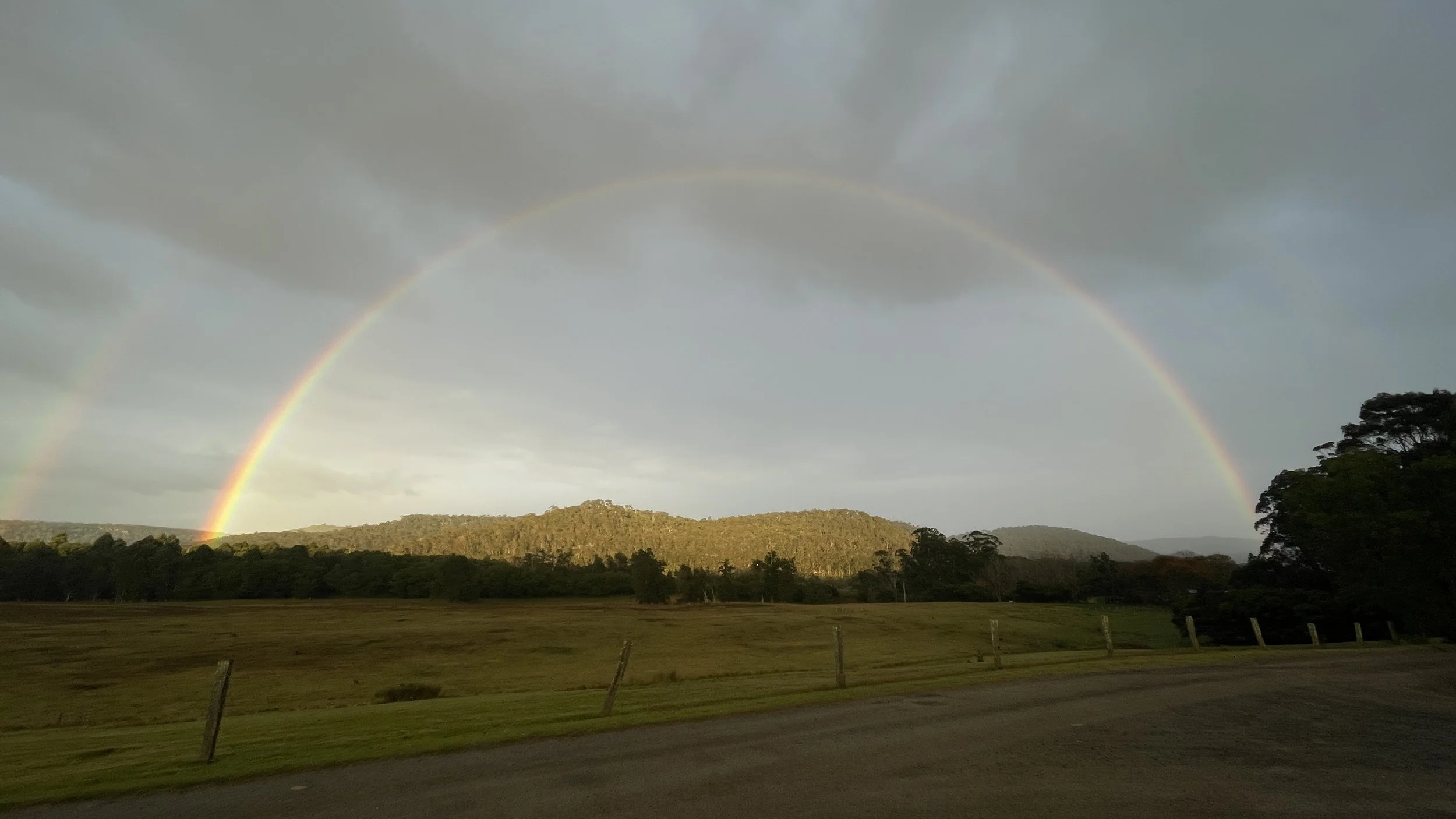
Bundanoon Shoalhaven Rainbow
Most colour books focus on the science of colour; expounding on the origins and production of pigments and dyes, or the science of vision, or the laws of physics and the various systems of measuring and reproducing colours accurately. It’s all extremely interesting, and useful, up to a point.
Batchelor writes about what colour does, more than what it is. He is interested in the cultural meanings and experiential aspects of colour. How colour affects us, how we interact with and derive meaning from colour and our colour experiences. He quotes a kaleidoscope of writers, artists, scientists, designers and philosophers to capture the magical, confusing and complex joys that the study of colour presents.
Whenever I pick up his books to look for a quote or inspiration, inevitably I find myself reading on and on, wishing I could cut and paste whole chapters into my text! I don’t agree with everything he writes, but the points of divergence help me to think through differences between art and architecture in respect to colour.
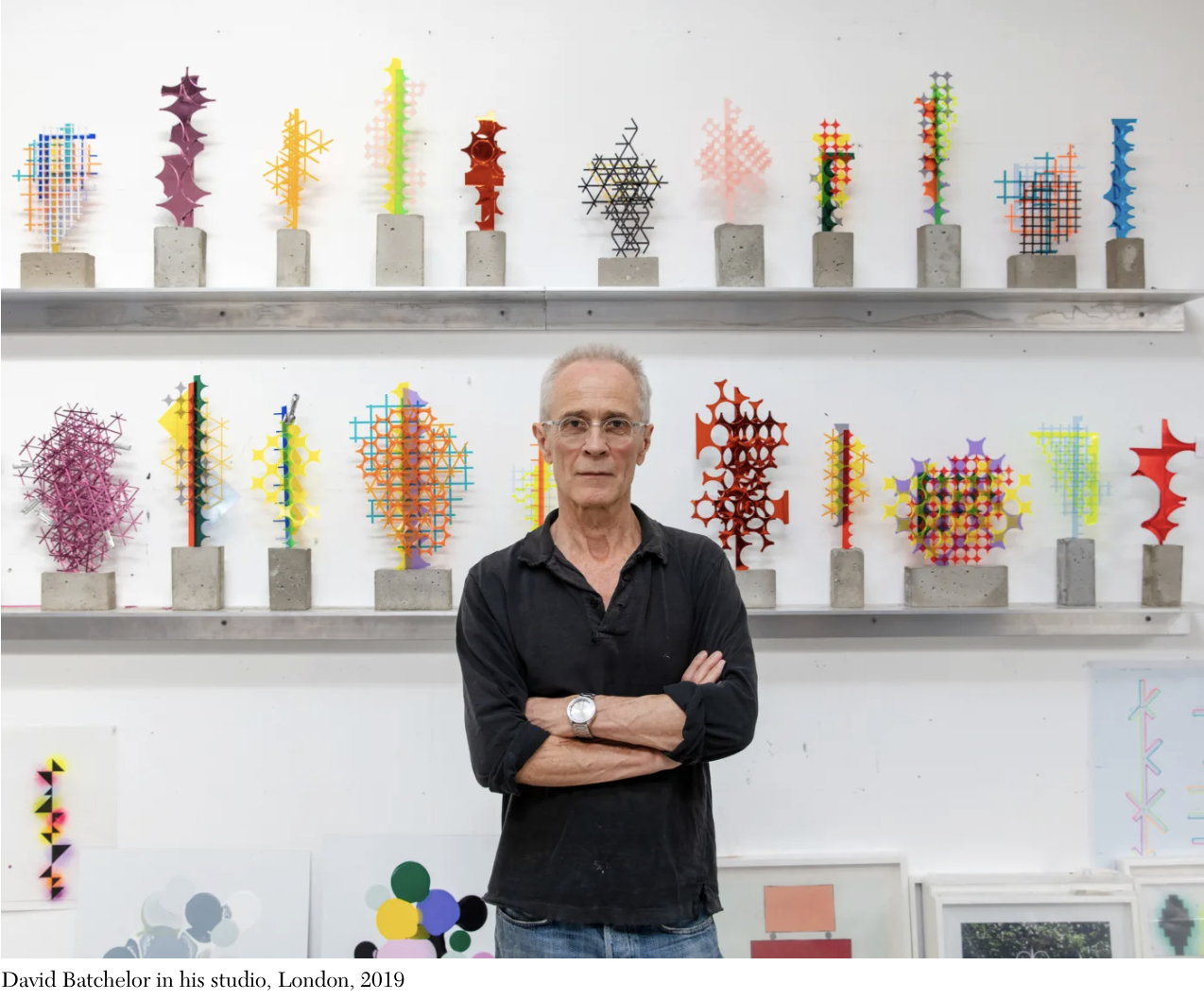
Like me, Batchelor is amused by the scientific impulse to measure, pin down and make predictable the most fugitive thing in the world: colour.
“Color is an illusion,’ wrote C.L Hardin in “Color for Philosophers”, ‘but not an unfounded illusion... The appearance of color as a property of an object is illusory, Hardin suggests, but it is a particularly stable illusion that can be measured and tested, cross-referenced and predicted.”
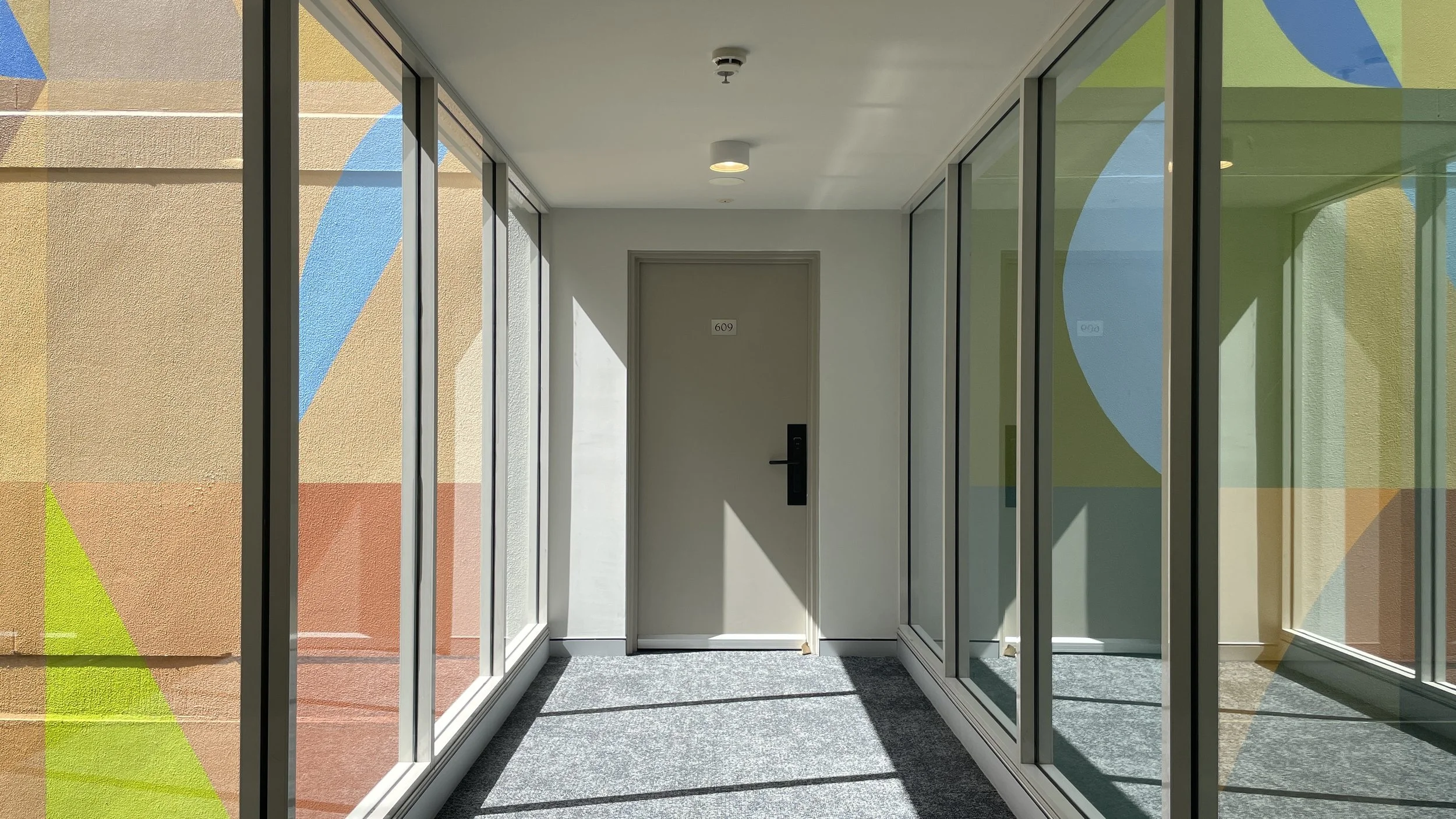
Between Mountains Mural
The only thing certain is that our experience of colour is entirely dependent on the presence of light. Without light, there is no colour. As Goethe famously wrote, ‘colours are the deeds and sufferings of light’.
So where does that leave us? If there's no absolute truth when it comes to colour, only experience? Personally, I find this conundrum wonderful, and liberating.
Can we focus less on getting colour ‘right’ or perfect (whatever that is), and more on creating the conditions for beautiful colour experiences for the occupants of our buildings and our cities?
A final word from David Batchelor:
“...in the illuminated colour space of the city, colour is in a constant state of beginning and ending, of switching on and switching off, of being born and dying out. Colour comes and goes of its own accord but also in the eye and the mind of its beholder. The slightest turn of the head or blink of an eye will bring colours into being and will wipe them away. This is colour in a constant state of inconstancy, of beginning and ending; it is always there and always changing, and it is never quite there, or quite the same as it was a moment ago.
... the city provides the platform for colour to perform its magic acts of appearing and reappearing. It isn’t so much that the city is full of new colours; rather, the colours of the city are in a continuous process of renewal.”
I’m looking forward to continuous, unfolding, joyful colour experiences, experimentation and discovery in 2026. Who’s joining me?!
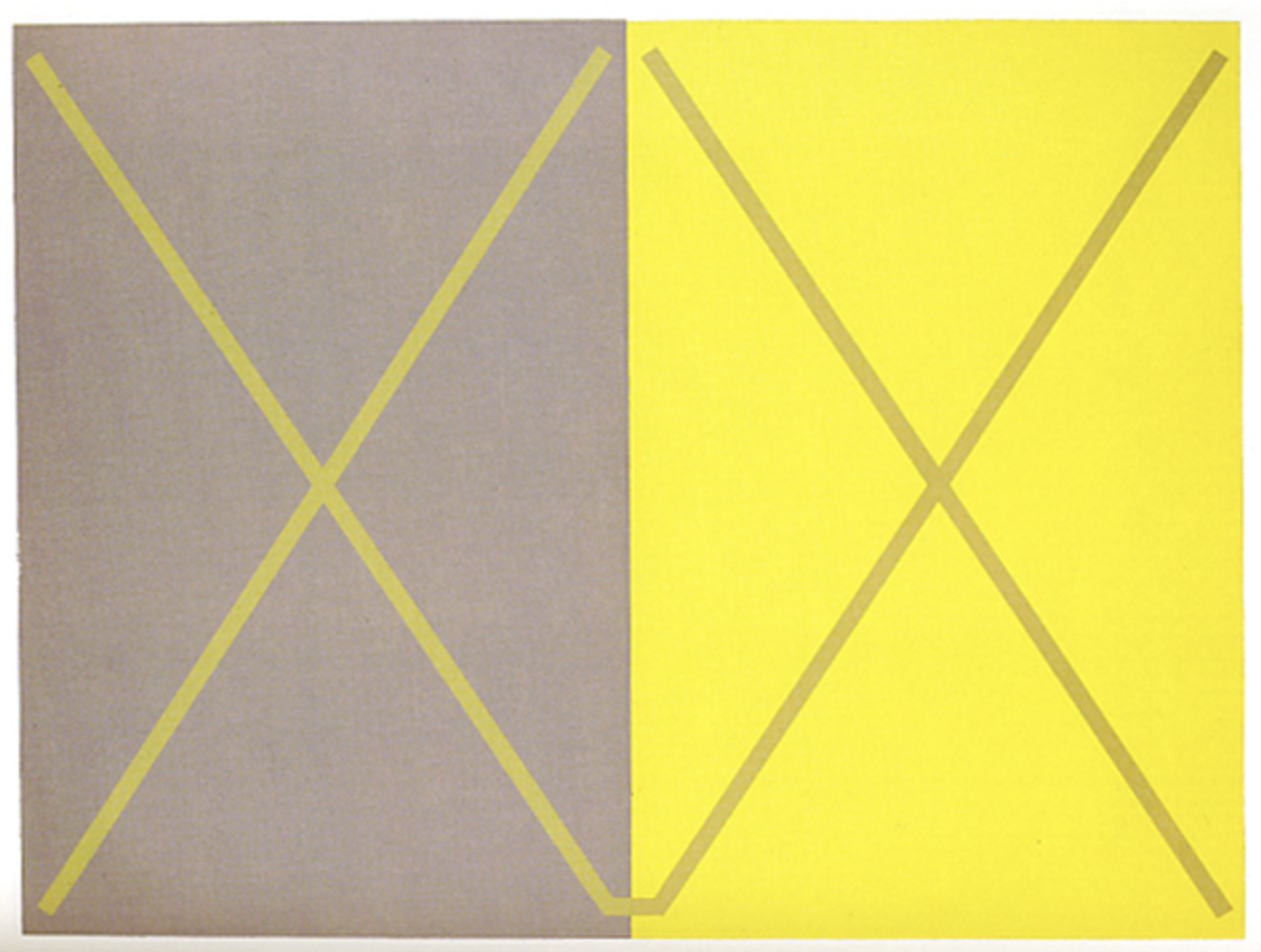
Your Essential Colour Reading
David Batchelor, Chromophobia, Reaktion Books, 2000
David Batchelor, The Luminous and The Grey, Reaktion Books, 2014
Bonus Instagram reel - David Batchelor on the roof of the Hayward Gallery.